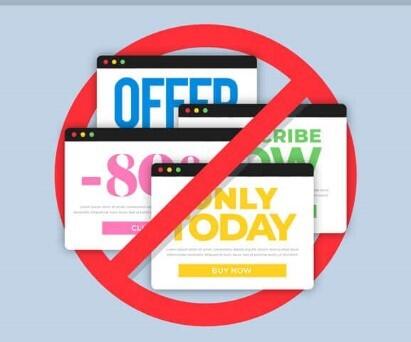
Email spam words are words and phrases that spammers and scammers use so often that they make filters and readers suspicious: "You won," "Act now," "100% free," "Risk-free," "Double your income." One spam word rarely sends a message to the junk folder by itself, but stacked together, in the subject line, in capitals and with exclamation marks, they raise your spam score and make real people distrust your email.
How many emails have you received with headings such as "You won the lottery," "Lose weight with this natural remedy" or "Gain financial freedom today"? Those phrases are classic spam words. Using them in the subject and body of your newsletters to grab attention will not work, and over time it can get your sending address classified as a spammer.
Getting opened and staying out of the spam folder are two of the main goals of any campaign. Good email marketing strategies build trust and keep customers informed about your brand. That means watching the tone you use with subscribers and also the words that can alert spam filters, send your mail to the junk folder or, in the worst case, get your address blocked.
Do spam words still matter in email marketing?
Yes, but less than many lists suggest. Modern filters at Gmail, Outlook and Yahoo look at many signals together:
- Sender reputation: your history of complaints, bounces and engagement. This is the strongest signal. Learn more about sender reputation.
- Authentication: whether your domain is set up with SPF, DKIM and DMARC. See our guide to SPF, DKIM and DMARC.
- Engagement: whether people open, click, reply, delete without reading or mark you as spam.
- Content: words, formatting, links, images and HTML quality. Spam words live here.
So a well-known sender with a clean list can write "free shipping" without trouble. A new domain sending "FREE!!! Act now, limited time, 100% guaranteed" to a purchased list will almost certainly be filtered. Spam words are a risk multiplier: they do the most harm when other signals are already weak.
They also matter for a second reason that has nothing to do with filters. Readers have learned to recognize scam language. A subject line that sounds like a lottery scam gets deleted or reported, and every spam complaint damages your reputation for the next send.
Which spam words should you avoid? The main categories
So that you are not confused with a spammer, here are the families of words that most often trigger anti-spam filters and reader suspicion.
Words of excessive familiarity
Trying to gain a subscriber's trust does not mean treating them as an old friend. Expressions like Congratulations, Dear friend, For you, Friend, 4U sound like mass scams and lose readers. Avoid anything that demands excessive attention from a person who barely knows your brand.
Words that push an immediate purchase
Pressure is a poor selling method, and nobody likes to feel pushed. Be careful with words like Affordable, Apply online, Direct purchase, Click here, Order now, Buy now.
Build trust and interest instead. Invite subscribers to discover your products or services in a friendly way that shows you understand their needs and can help.
Words that create false urgency
If a customer needs your service, they will buy when it makes sense for them, not when you insist. Artificial urgency damages the relationship and can push people to unsubscribe. Be careful with Act now!, Do it today, Get it now, Ask today, Please read, Urgent, Last chance, Expires today.
Words that promise discounts, gifts or easy money
Scammers catch attention every day with offers that seem too good to be true, so readers are wary of headers like "Winner," "Monthly trial offer," "Free membership," "Additional income," "Giving away," "Cash bonus," "Double your money". Many people delete these messages at once and block the sender.
Words that try too hard to sound trustworthy
Trust builds gradually. Words that claim it from the first line do not make you more credible. Stay away from "100% satisfied," "Call free," "No tricks," "No risk," "Guaranteed," "Not spam," "This is not junk".
To earn your subscribers' confidence, rely on regular, useful newsletters, well-timed scheduled mailings and a clear path for each stage of the customer relationship.
Spam words at a glance
| Category | Examples to avoid | Safer alternative |
|---|---|---|
| Excessive familiarity | Dear friend, Congratulations, 4U | Use the subscriber's first name and a normal greeting |
| Purchase pressure | Buy now, Order now, Click here | "See the new collection," "Read the guide" |
| False urgency | Act now!, Urgent, Last chance | "Sale ends Sunday, May 12" (a real, specific date) |
| Money and gifts | Winner, Cash bonus, Double your money | Describe the actual offer: "15% off running shoes" |
| Over-promising trust | 100% guaranteed, No risk, Not spam | "30-day returns" or a customer review, if true |
| Health and finance claims | Lose weight fast, Miracle, Eliminate debt | Factual benefits without exaggerated results |
Mailpro keeps a list of the spam triggers to avoid when writing your emails. Check it out in our FAQ section.
What else besides words can trigger spam filters?
Content filters judge how a message is written, not just which words it uses. These habits often do more damage than a single risky word:
- ALL CAPS in the subject line or large blocks of capitalized text.
- Repeated punctuation and symbols such as "!!!", "???" or "$$$".
- Image-only emails with little or no text, which filters cannot read and readers often see blank.
- Link shorteners and mismatched links, where the visible URL differs from the real destination.
- Misleading subject lines that do not match the content (also a problem under the CAN-SPAM Act in the US).
- Sloppy HTML pasted from a word processor, hidden text or very large file sizes.
- A missing or hard-to-find unsubscribe link, which pushes people to the spam button instead.
How do you avoid spam words without sounding boring?
- Be specific. "New spring catalog: 40 garden tools" is clearer and safer than "Amazing deals inside!!!"
- Say what the reader gets. Describe the content or the offer plainly instead of hyping it.
- Use real deadlines. A concrete date is honest urgency; "Act now" is not.
- Personalize properly. A first name or a reference to a past purchase works better than "Dear friend."
- Keep promotional words in moderation. "Free" in "free shipping on orders over $50" is fine; "FREE FREE FREE" is not.
- Read it aloud. If it sounds like a scam text, rewrite it.
The subject line deserves the most care, since it is the first thing both filters and readers judge. Our guide on how to write effective email subject lines gives safe, tested formulas.
Choose the content and the words of your message wisely
Relevant content with useful information and a text free of spam words will perform much better with your subscribers, so avoid spam words in the body just as much as in the subject. Skipping these precautions can sink a campaign.
Keeping spam words out of your texts improves both delivery and reputation. At Mailpro we take the delivery of your mail very seriously, and for this reason we designed a spam test that lets you check the spam level of every campaign before you send it. Our article on the email spam checker explains how to read the results, and you will find more tips on how to avoid emails going to spam.
Visit our blog for everything you need to build an email marketing strategy with effective words that stay clear of spam filters.
Frequently asked questions about email spam words
Will one spam word send my email to spam?
Usually not. Filters combine many signals, and sender reputation and authentication weigh more than any single word. Risk grows when several spam words appear together, especially in the subject line with capitals and exclamation marks.
Is "free" a spam word?
"Free" is one of the most commonly listed spam words, but it is not banned. Used once, in a clear context such as "free shipping" or "free webinar," it is generally fine for a sender with a good reputation. Avoid repeating it or writing it in capitals.
Do spam words matter more in the subject line or the body?
Both are scanned, but the subject line matters more because it shapes the reader's first impression and is weighted heavily by filters. Write the subject first and check it carefully.
How can I check my email for spam words before sending?
Run the campaign through a spam test before you send. In Mailpro, the spam test analyzes your message and shows its spam level so you can fix risky words and formatting first.
Related reading: Why Is It Actually Called Spam?
Related reading: How to Reduce Spam Complaint Rate Below 0.1%
Mailpro and deliverability
Test every campaign for spam before you send
Write with the drag-and-drop editor, check your message with the built-in spam test and follow results in real-time statistics. Mailpro is GDPR-compliant and hosts your data in Switzerland.